Free Learning Apps for Indian School Kids in 2026, Ranked
Free learning apps for Indian school kids in 2026 compared: Hooty, DIKSHA, Khan Academy, Read Along and BYJU'S, with costs and what each does with your child's data.
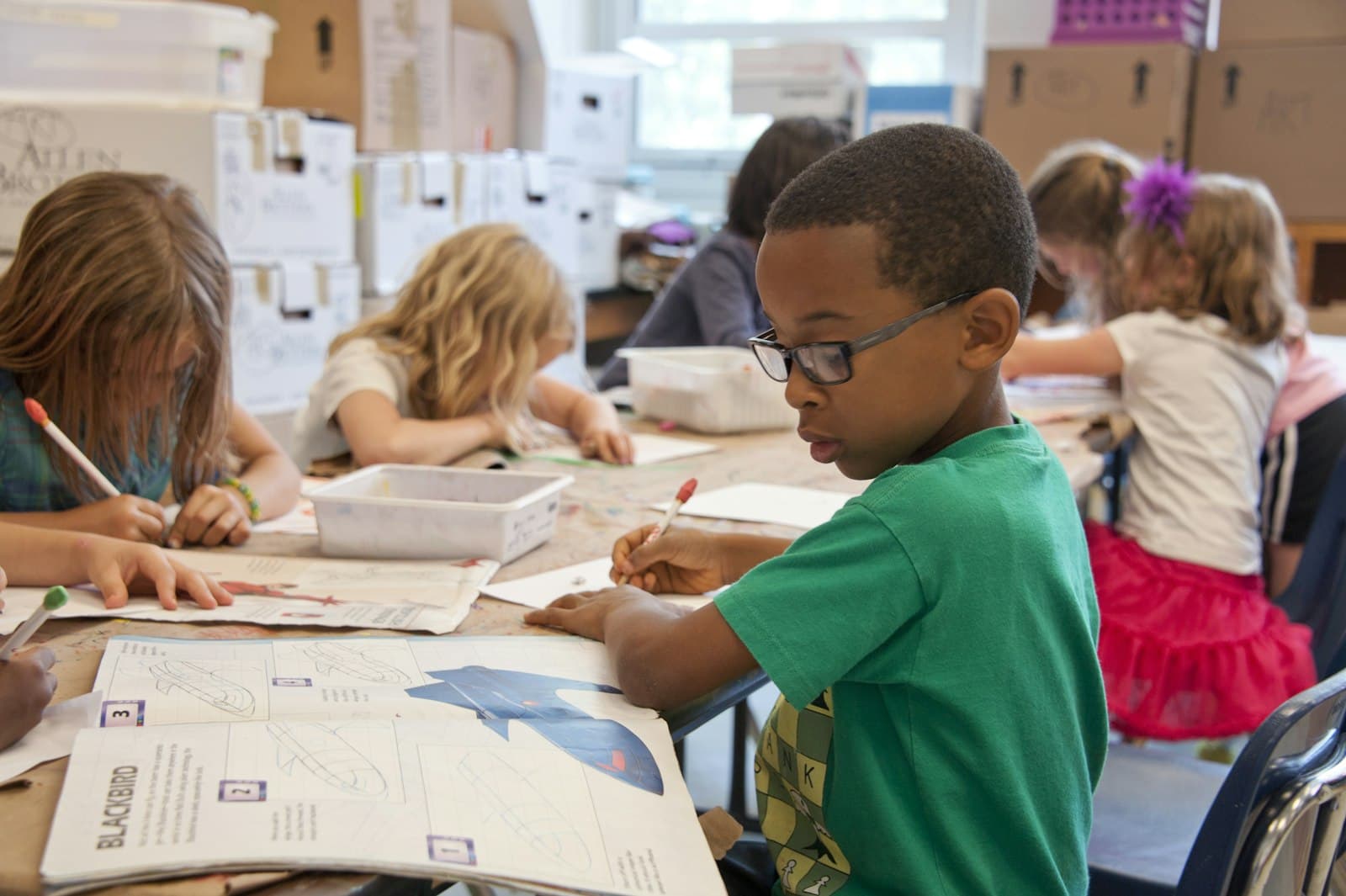
TL:DR: The best of the free learning apps for Indian school kids in 2026 is Hooty, which covers classes 1 to 10 from the NCERT textbooks, runs in a browser with no sign-up, and keeps every answer on the child's own device. DIKSHA is the strongest runner-up, as the government platform carrying NCERT, CBSE and state content in 36 Indian languages. Khan Academy has the deepest maths practice and Google Read Along the best free reading coach, but neither follows the NCERT chapter order. The trade-off is polish: the free options are built around the syllabus rather than around entertainment.
Search for free learning apps for Indian school kids in 2026 and most results are a paid product wearing a free trial, or a link to an app that no longer works. The list that matters divides by who built it: a government platform, a non-profit, a search company's literacy project, and two products from software companies.
Three questions decide whether an app earns its space on a shared family phone: does it follow the book your child is taught from, does it cost nothing after the first week, and what happens to the data a child types in. This post answers all three, checked against the source in November 2026.
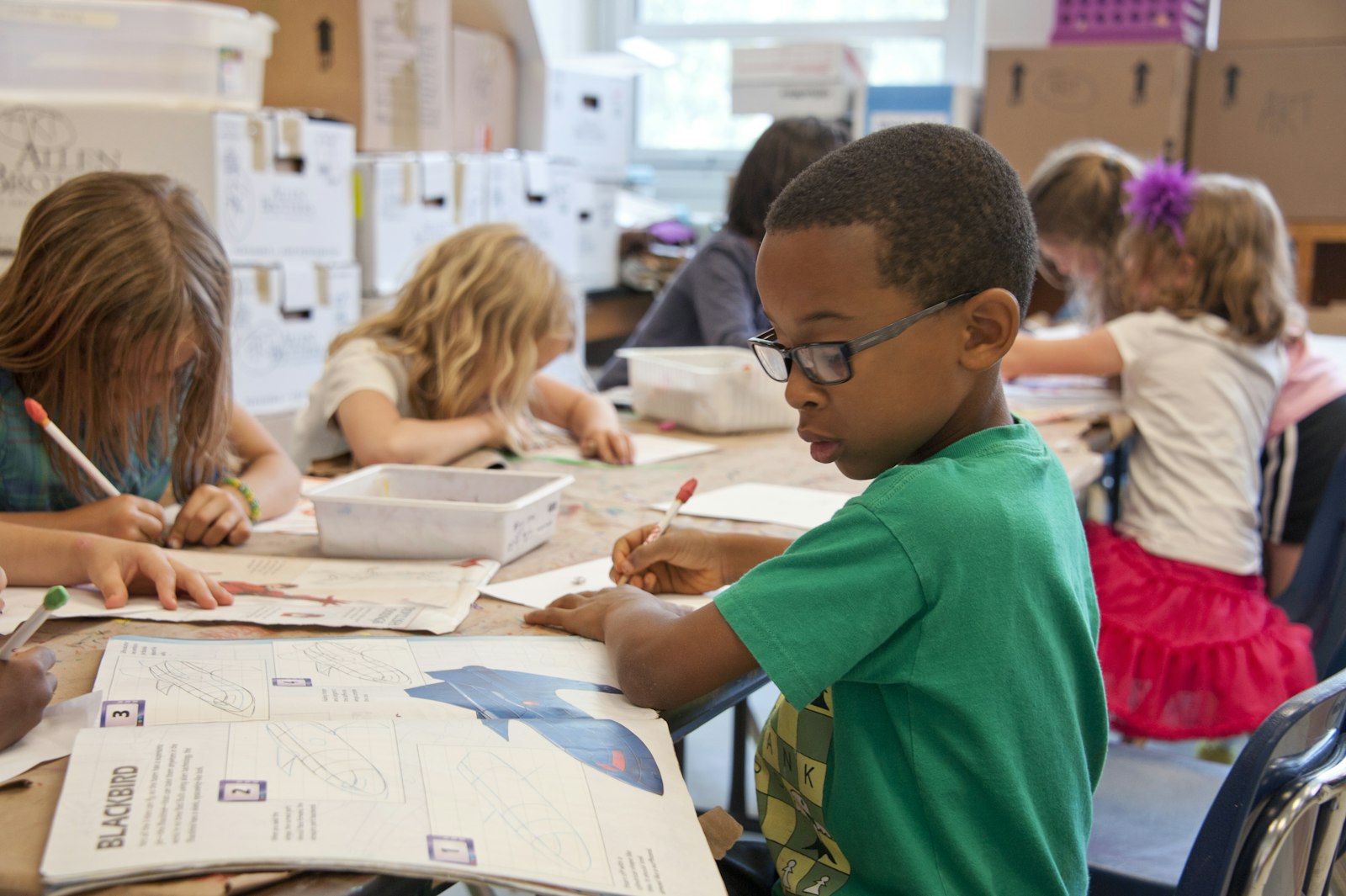
What free learning apps for Indian school kids actually mean in 2026
A free learning app for an Indian school child costs nothing, covers the syllabus the child is examined on, and does not need a subscription to reach the useful part. Most apps marketed that way fail one of the three.
The syllabus test is the one parents underestimate. An app can be excellent and useless on the Tuesday before a chapter test, because it teaches fractions in a different order or covers Class 6 science under another board's sequence. Chapter-for-chapter alignment with NCERT is rare.
The cost and data tests are quicker to state. Free means no card on file and no auto-debit mandate, the pattern the Ministry of Education warned about when it said some companies were "luring parents in the garb of offering free services" and getting mandates signed, targeting vulnerable families, per the CBSE-hosted advisory. An app that asks for a phone number and a date of birth is building a profile of a minor, who India's data law now protects as a child under section 9 of the DPDP Act, 2023. A free app with no account has nothing to leak.
| App | Cost | Syllabus match | Sign-up needed | Data leaves the device | Best for |
|---|---|---|---|---|---|
| Hooty | Free, no trial | NCERT chapters, classes 1 to 10 | No | No, progress stays in the browser | Chapter practice at home |
| DIKSHA | Free | NCERT, CBSE and state boards | Yes for courses | Yes | Textbooks, 36 languages |
| Khan Academy | Free core, paid AI tutor | Topic-level, NCERT-mapped maths | Yes | Yes | Maths explanations |
| Google Read Along | Free | Reading practice, not syllabus | No | Voice processed on device | Learning to read aloud |
| BYJU'S | Paid, company in insolvency | CBSE and state boards | Yes | Yes | Nothing to prepay for |
Option 1: Hooty, the NCERT chapters turned into a game that keeps its data on the device
Hooty, built by BareStack, the team behind this site, is the only option here both chapter-matched to NCERT and free of an account. It runs in a browser and covers classes 1 to 10 across Mathematics, Science, Social Science, English and Hindi, as 26 course packs and 315 chapters, per Hooty's course index.
Each chapter is a trail of lessons with a boss round at the end, a daily goal of 50 XP, and a practice queue that resurfaces questions the child got wrong. A lesson takes about four minutes, the right size for a phone passed between siblings. There is no sign-up: the child types a name, stored on the device. The grown-ups screen shows accuracy, time learning and progress by unit, and carries the line "All data stays on this device. Nothing is sent anywhere," with export and import buttons for moving progress by file, per the app's grown-ups view.
The limits matter. It is practice, not teaching: a child who has never seen a topic meets questions rather than a video explaining it, so it works best beside the textbook. Class 1 to 5 packs cover Mathematics only at the time of writing; the five-subject spread runs from Class 6 to Class 9. It is a web app, so the first load needs a connection.
Pick Hooty for exam-week practice matching the current chapter, on a shared phone, without an account for a minor. Skip it if your child needs a concept taught from scratch first.
Option 2: DIKSHA, the government platform with the widest language reach
DIKSHA is the safest long-term bet here because it is not a company. It is the national school education platform run by NCERT's Central Institute of Educational Technology under the Ministry of Education, launched in 2017 and named the "One Nation, One Digital Platform", per CIET's description.
That buys breadth. DIKSHA hosts NCERT, CBSE, NIOS and state board content, supports 36 Indian languages, and has been adopted by almost all states and union territories, per CIET. NCERT textbooks there are licensed CC BY-NC-ND and supporting resources CC BY-NC-SA, which is why the same chapter material appears in so many other apps. For a state board school, it is often the only free option carrying the right textbook.
The cost is friction. Courses, assessments and progress tracking sit behind a login, and the interface is organised around boards and states rather than one child's homework.
Pick DIKSHA for a state board, for textbooks in a language other than English or Hindi, or for a source that will exist in five years. Skip it if you want something a seven-year-old opens unsupervised.
Option 3: Khan Academy, the deepest maths practice, and not a chapter match
Khan Academy is a 501(c)(3) non-profit with 840 or more free courses for K-12 and early college, in 55 or more languages, with 232 million registered users, per Khan Academy's about page. It is free where it counts: no ads, no upsell, no trial clock.
For Indian families the useful part is the NCERT-mapped maths sequence. Khan Academy publishes dedicated courses for NCERT maths, including Class 6, so the practice is mapped to the Indian book rather than to a generic sequence, as its NCERT Class 6 maths course shows. Explanations are stronger than Hooty's, because every skill comes with video and worked examples rather than questions alone.
Two things to know. Khanmigo, the AI tutor on top, is free for teachers but costs $4 a month or $44 a year for a learner, per Khanmigo's pricing page. And the free core wants an account, which differs from an app that stores nothing.
Pick Khan Academy when your child is stuck on a concept and needs it explained, or when you want years of maths practice in one place. Skip it for chapter-for-chapter coverage of a Class 7 social science textbook.
Option 4: Google Read Along, the best free reading coach for younger children
Read Along does one job better than anything else free. A child reads aloud, a reading buddy offers pronunciation help in real time, and stars and badges keep a six-year-old interested, per Read Along's site.
The practical details suit Indian households. An Android app built for low-cost phones works offline, a web version runs on any device, and the app supports multiple users on one shared phone, per the Read Along FAQ. It works without signing in or giving a location or contact number. Voice data is processed mainly on the device and not stored after processing.
The limitation is scope. Read Along teaches reading, not the syllabus: no NCERT chapters, no maths, no science, nothing for a Class 8 history test. For a Class 1 to 4 child still decoding words, it is the right tool.
Pick Read Along if your child is roughly four to nine and needs reading fluency. Skip it for subject practice, where Hooty or DIKSHA do more.
Option 5: BYJU'S, why the biggest name is the riskiest thing to pay for
BYJU'S is the name most parents recognise, and the one option here carrying a financial rather than technical risk. The parent company, Think & Learn, is in corporate insolvency resolution before the Bengaluru bench of the National Company Law Tribunal, which in July 2026 paused the bidding process until 31 August while the founders challenged an ₹11,433 crore claim from the trustee acting for its US lenders, per Livemint's report of 23 July 2026.
A multi-year prepaid subscription is an unsecured claim on a company in resolution, and long prepaid plans sold with auto-debit are the pattern the Ministry of Education told parents to refuse. Whatever the app does well, the financial structure is the risk, the point this breakdown of free SaaS costs makes about software that looks free until the invoice arrives.
Skip BYJU'S if you are choosing software this month. If you hold a subscription, do not renew early and do not add a second device to an auto-debit mandate.
How to choose, the decision tree
The decision takes a minute once you know the class, the board, and whether the phone is shared.
- Class 6 to 10 on CBSE or a state board: start with Hooty, the only free option here mapped to the chapter rather than the topic.
- State board with a regional-language textbook: start with DIKSHA and use it as the textbook, not as a game.
- Stuck on one concept in maths or science: use Khan Academy for the explanation, then return to chapter practice.
- Class 1 to 4 and reading slowly: install Read Along first, because fluency pays off in every other subject.
- One shared Android phone: favour Read Along's multi-user mode and Hooty's local storage.
- Offered a free trial that needs a card or an auto-debit mandate: decline it.
- Paying for anything: check what happens to the child's data when you stop paying, and whether progress exports.
The realistic answer for most families is a two-app stack: Hooty for syllabus practice, Read Along for a younger child, and DIKSHA as the textbook backup.
Integrating this with the rest of your setup
Treat these apps as one stack with a rule about accounts and one about backups.
Every account created for a child is a dataset you now have to think about: an email address, a birth date, a school name, a usage history. The cheapest privacy decision available to a parent is to prefer tools that work without one. The same argument runs through this guide to data ownership for small teams, and it matters more for a nine-year-old, who cannot consent and cannot audit what was collected.
Backups are the trade for having no account. Keep a Hooty progress export in one folder that syncs to a parent's own storage rather than to a random app, and set a reminder once a term.
Then decide what the child uses the device for once the lesson ends. If the same phone carries YouTube, a chat app and three games, the learning app loses. Families who get value from free tools usually keep a separate profile for schoolwork, the habit the self-hosting crowd applies to work machines in this comparison of self-hosted tools for privacy-conscious founders.
On the stack question, the BareStack comparison page covers what changes when software runs on your own server, the BareStack FAQ handles backups, and what BareStack builds is where a school or NGO starts.
Bottom line
For most Indian households in 2026 the best free learning app is Hooty, because it is the only option here chapter-matched to NCERT, free without a trial, and built so a child's answers never leave the device. DIKSHA is the right second install for state board textbooks and regional languages, and Khan Academy plus Read Along cover the cases Hooty does not. The rule that matters more than any single app is to refuse paid trials with auto-debit mandates, an argument the anti-SaaS manifesto makes at length.
FAQ
Which free learning app is best for Indian school kids in 2026?
Hooty is the strongest free option for chapter-level practice, covering classes 1 to 10 from the NCERT textbooks with no sign-up and progress stored on the child's device. DIKSHA is better for state board textbooks and regional languages. Read Along handles the case where a young child is still learning to read.
Is DIKSHA completely free to use?
Yes. DIKSHA is run by NCERT's Central Institute of Educational Technology under the Ministry of Education and charges nothing for textbooks or course content. Courses and progress tracking need a login. NCERT textbooks there are licensed CC BY-NC-ND, with supporting resources under CC BY-NC-SA.
Is Khan Academy aligned to the NCERT syllabus?
Partly. Khan Academy publishes India-specific courses, including an NCERT Class 6 maths course, so its maths practice follows the Indian sequence. Other subjects follow topic order rather than a chapter order, so it works best as an explanation tool beside the book. Khanmigo, the AI tutor, sits outside the free library at $4 a month or $44 a year.
Is BYJU'S still working in 2026?
The app may still run, but the company behind it is in insolvency resolution. Think & Learn is before the Bengaluru bench of the National Company Law Tribunal, which paused the bidding process in July 2026 while the founders challenged an ₹11,433 crore claim from the trustee for its US lenders.
Do free learning apps show ads to children?
Some do, and those monetise the child rather than the syllabus. Hooty states that it carries no ads and no trackers, Read Along is free of charge as an app and a web experience, and DIKSHA and Khan Academy are publicly or donor funded. Check the listing for an in-app purchases label before installing.
Can children use these apps without internet?
Read Along's Android app works offline on low-cost phones, which makes it the best option for limited data. Hooty runs in a browser, so it needs a connection for the first load, and its progress file can be exported between devices. DIKSHA and Khan Academy need a connection for video and courses.
Photo by Vikas Makwana on Unsplash
Anirudh Prashant · Founder & Lead Engineer, BareStack
Founder of BareStack. Builds custom, no-bloat software, self-hosted tooling, and AI automations for solopreneurs and small teams.